Why Does My AC Drain Pan Fill Up Even When the Drain Line Is Clear?
When your air conditioner’s drain pan fills up with water, it can be both confusing and concerning, especially if you’ve already checked and confirmed that the drain line is clear. This situation can lead to water leaks, potential water damage, and even system shutdowns if not addressed promptly. Understanding why this happens is crucial for maintaining your AC’s performance and preventing costly repairs. There are several reasons why water might accumulate in the drain pan despite a clear drain line, ranging from issues with installation to problems with other AC components. Knowing what to look for can help you resolve the issue quickly and keep your home comfortable.
What to Expect in This Guide
How the AC Drain System Works
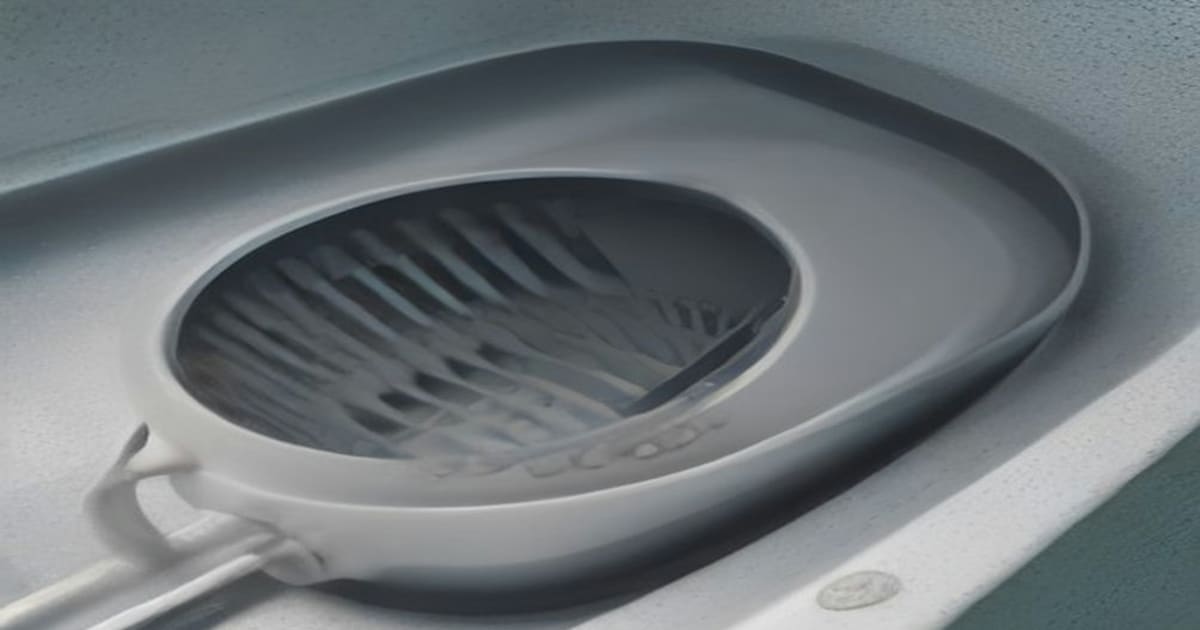
The air conditioning drain system is designed to remove condensation that forms as your AC cools the air in your home. When warm air passes over the evaporator coil, moisture in the air condenses on the coil and drips into the drain pan. From there, the water should flow through the drain line and out of your home. If everything is working properly, you should rarely see water in the drain pan, as it is quickly carried away. However, if you notice standing water in the pan, it means something is interfering with this process. Even if the drain line appears clear, there could be other factors at play, such as improper installation, a malfunctioning float switch, or issues with the evaporator coil itself. Understanding the basic function of the drain system is the first step in diagnosing why water is accumulating where it shouldn’t.
Common Causes Beyond a Clogged Drain Line
One of the most overlooked reasons for a full drain pan is improper installation or leveling of the air handler or evaporator coil. If the unit is not perfectly level, water may not flow toward the drain line as intended, causing it to pool in the pan. Another frequent culprit is a damaged or rusted drain pan. Over time, drain pans can develop cracks or holes, especially in older systems, which can cause water to leak or accumulate. Additionally, if the evaporator coil is freezing up due to restricted airflow or low refrigerant levels, it can cause excess water to overwhelm the drain pan when the ice melts. Sometimes, the issue is related to the float switch, which is designed to shut off the system if the pan fills with water. If this switch is faulty, it may not trigger a shutdown, allowing water to continue accumulating. For those seeking professional help, https://www.brennanshvac.com/services/ac-repair offers comprehensive solutions for persistent AC drainage issues.
Short-Term Fixes and When to Call for Help
If you notice water in your AC drain pan, there are a few immediate steps you can take to prevent further damage. First, turn off your air conditioner to stop additional condensation from forming. Next, use a wet/dry vacuum to remove standing water from the pan. Check for visible signs of damage or misalignment in the drain pan and surrounding components. If you cannot identify the cause or if the problem persists after these steps, it is important to contact a professional HVAC technician. Persistent water accumulation can indicate deeper issues that require specialized tools and knowledge to resolve safely and effectively.
The Role of Humidity and Environmental Factors
Humidity levels in your home and the surrounding environment can significantly impact how much condensation your AC produces. In areas with high humidity, your air conditioner will naturally generate more condensation as it works to remove moisture from the air. This increased moisture load can sometimes overwhelm the drain system, especially if the system is undersized or not functioning optimally. Additionally, sudden changes in weather, such as heavy rain or rapid temperature shifts, can contribute to excess condensation. If your AC is running constantly during humid weather, it is important to monitor the drain pan and ensure that the system is keeping up with the increased demand. Regular maintenance and monitoring can help prevent unexpected water buildup and keep your system running smoothly.
Preventing Future Drain Pan Issues
To avoid recurring problems with your AC drain pan, regular maintenance is essential. This includes scheduling annual inspections, cleaning the evaporator coil, and ensuring the drain line remains clear. It is also important to check that the air handler is properly leveled and that the drain pan is free from rust or damage. Installing a secondary drain pan or a float switch can provide an extra layer of protection against leaks and water damage. Homeowners should also be mindful of indoor humidity levels and use dehumidifiers if necessary to reduce the strain on the AC system. By taking these preventive measures, you can extend the life of your air conditioner and minimize the risk of water-related issues.
When to Replace the Drain Pan
In some cases, the only solution to a persistent drain pan problem is replacement. If the pan is cracked, rusted, or otherwise damaged beyond repair, it will continue to leak or hold water no matter how clear the drain line is. Replacing the drain pan is a straightforward process for a qualified technician and can restore your system’s ability to manage condensation effectively. It is important to use a pan that is compatible with your specific AC model to ensure proper fit and function. Investing in a new drain pan can prevent future leaks and protect your home from water damage.
Conclusion
A full AC drain pan, even when the drain line is clear, is a sign that something in your system is not functioning as it should. Whether the issue is related to installation, component failure, environmental factors, or simple wear and tear, addressing it promptly is crucial to maintaining your air conditioner’s performance and protecting your home from water damage. Regular maintenance, timely repairs, and attention to warning signs can help you avoid costly problems down the line. If you are unsure about the cause of water in your drain pan or how to fix it, reaching out to a qualified HVAC technician is the safest and most effective way to restore your system to proper working order.