When your home starts feeling less comfortable during the hottest or coldest months, you might immediately think your air conditioner is to blame. However, the real issue could be lurking above your head in the attic. Many homeowners overlook the importance of attic insulation, which plays a crucial role in maintaining indoor temperatures and reducing energy bills. Deciding whether to upgrade your attic insulation before investing in a new air conditioner can have a significant impact on your home's comfort and efficiency. Understanding the relationship between insulation and HVAC performance can help you make a more informed decision that saves money and energy in the long run.
What to Expect in This Guide
The Role of Attic Insulation in Home Comfort
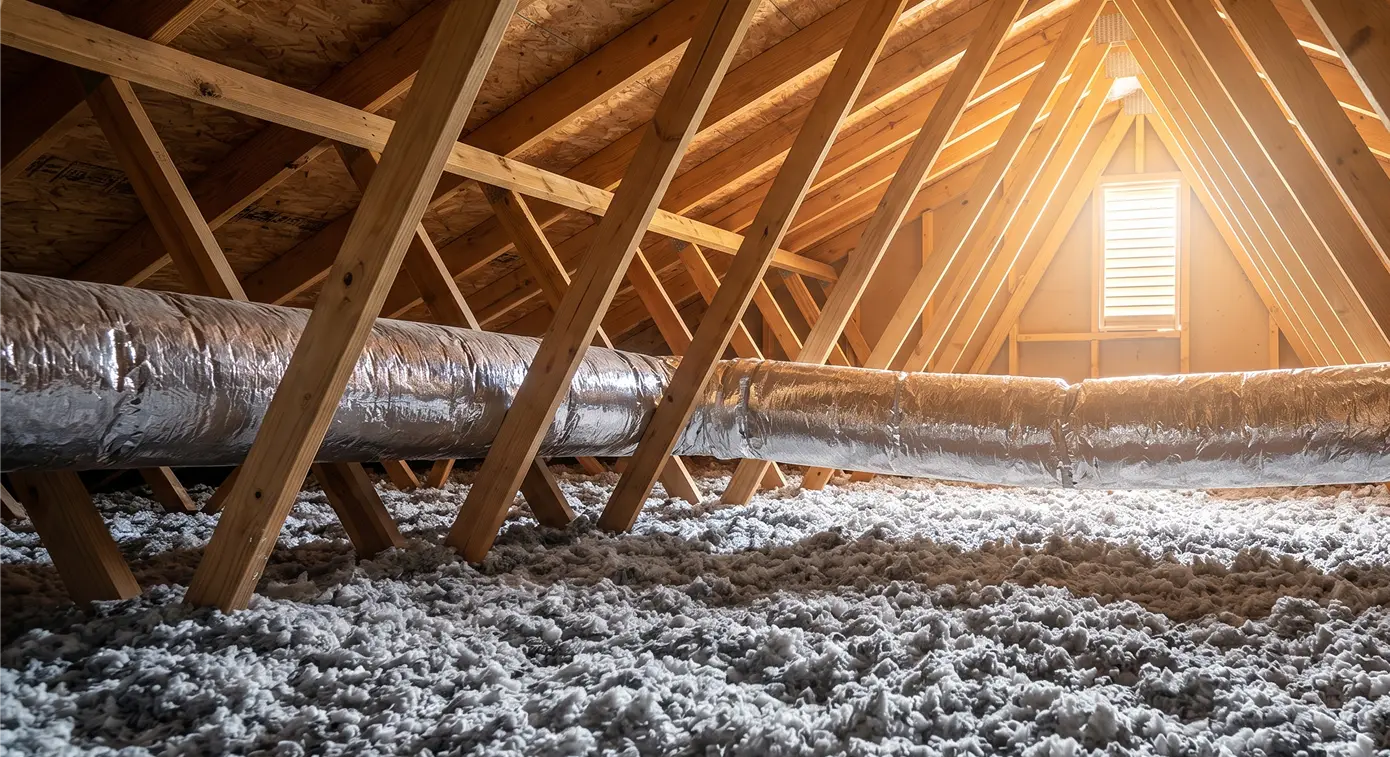
Attic insulation acts as a barrier that slows the transfer of heat between your living space and the outdoors. In the summer, it keeps hot air from seeping into your home, and in the winter, it prevents warm air from escaping. Without adequate insulation, your air conditioner has to work much harder to maintain a comfortable temperature, leading to increased energy consumption and higher utility bills. Over time, this extra strain can shorten the lifespan of your HVAC system. Upgrading your attic insulation can make a noticeable difference in how evenly your home stays cool or warm, reducing temperature fluctuations and drafts. Proper insulation also helps control humidity levels, which can improve indoor air quality and prevent issues like mold growth. By addressing insulation first, you may find that your current air conditioner performs better, potentially delaying the need for a costly replacement.
How Insulation Affects Air Conditioner Performance
When your attic is under-insulated, your air conditioner is forced to compensate for the constant loss or gain of heat through the ceiling. This means it cycles on and off more frequently, consuming more energy and wearing out faster. If you upgrade your attic insulation, you create a more stable indoor environment, allowing your air conditioner to operate more efficiently. In many cases, homeowners who improve their insulation notice a significant drop in their energy bills and a more consistent indoor temperature. This improvement can sometimes be so substantial that it changes the size or type of air conditioner you need. If you are considering whether to replace your air conditioner or upgrade insulation first,to understand how these decisions can impact your comfort and expenses.
Cost Savings from Insulation Upgrades
Upgrading attic insulation is often a more affordable project compared to replacing an entire air conditioning system. The initial investment in insulation can pay off quickly through lower monthly energy bills. When your home is properly insulated, your air conditioner does not have to run as often or as long, which reduces wear and tear and extends its lifespan. This means you can delay the expense of purchasing a new unit, and when the time does come, you may be able to choose a smaller, less expensive system because your home will require less cooling power. Additionally, improved insulation can increase your home's resale value and make it more attractive to potential buyers who are looking for energy-efficient features. The long-term savings and added comfort make insulation upgrades a smart choice for many homeowners.
When to Replace Your Air Conditioner First
There are situations where replacing your air conditioner before upgrading attic insulation makes sense. If your current air conditioner is more than 15 years old, frequently breaks down, or uses outdated refrigerant, it may be more cost-effective to replace it first. Older units are less efficient and may not be able to keep up with your cooling needs, even with improved insulation. In cases where your air conditioner is no longer functioning or repair costs are prohibitively high, immediate replacement is necessary to restore comfort to your home. However, even after installing a new air conditioner, upgrading your attic insulation should still be a priority to maximize the efficiency and lifespan of your new system. Balancing both upgrades can provide the greatest benefits in terms of comfort and energy savings.
The Impact of Climate and Home Age
The climate where you live and the age of your home are important factors to consider when deciding between insulation and air conditioner replacement. Homes in regions with extreme temperatures benefit the most from high-quality attic insulation, as it helps maintain a stable indoor environment year-round. Older homes are more likely to have inadequate or deteriorated insulation, making them prime candidates for an upgrade. In contrast, newer homes may already have sufficient insulation, so replacing an outdated air conditioner could be the more pressing need. Evaluating your home's specific needs based on its age, construction, and local climate can help you prioritize which upgrade will have the most immediate and lasting impact on your comfort and energy costs.
Quick Look: Insulation Before AC Replacement
Upgrading attic insulation before replacing your air conditioner can often lead to better overall results. Improved insulation reduces the workload on your HVAC system, which can extend its life and lower your energy bills. In many cases, homeowners find that their existing air conditioner performs more efficiently after insulation improvements, sometimes eliminating the need for immediate replacement. This approach can save money upfront and provide long-term benefits for your home's comfort and value.
Professional Assessment and Next Steps
Before making a final decision, it is wise to have a professional assess both your attic insulation and your air conditioning system. An energy audit can identify areas where your home is losing energy and recommend the most effective upgrades. This assessment will help you determine whether your insulation is sufficient or if it needs to be improved before investing in a new air conditioner. A thorough evaluation can also reveal other factors affecting your home's comfort, such as air leaks or ventilation issues. By addressing all aspects of your home's energy efficiency, you can make a more informed choice that maximizes your investment and ensures lasting comfort.
Conclusion
Deciding whether to upgrade attic insulation before replacing your air conditioner is a choice that can significantly affect your home's comfort, energy efficiency, and long-term costs. Attic insulation plays a vital role in maintaining stable indoor temperatures and reducing the workload on your HVAC system. In many cases, improving insulation first can enhance the performance of your existing air conditioner, lower your energy bills, and delay the need for a new unit. However, if your air conditioner is old or failing, replacement may be necessary. Evaluating your home's specific needs, considering the local climate, and seeking a professional assessment can help you make the most effective decision for your situation. Prioritizing energy efficiency upgrades ensures a more comfortable home and greater savings over time.